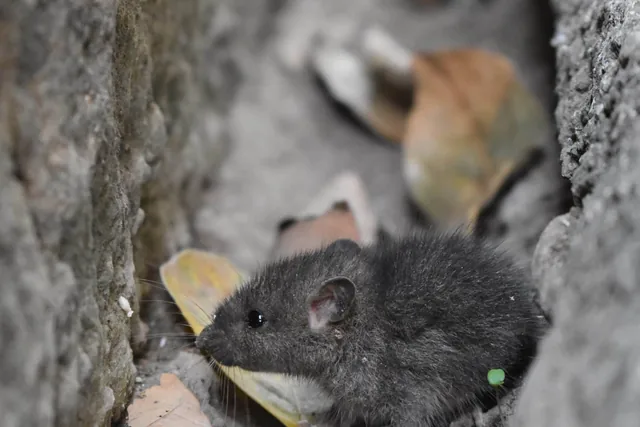
How Mice Get Into Austin Homes
Dime-sized holes, chewed wiring, and the attractants most homeowners provide without knowing it.
Read post →A roof rat is slim, climbs well and usually nests up high in attics, walls and trees. A Norway rat is heavier, digs burrows and usually stays low around foundations and woodpiles. The quickest way to tell a roof rat vs a Norway rat is the tail. A roof rat's tail is longer than its head and body combined, and a Norway rat's is shorter. Both live in Central Texas, and knowing which one you have tells you where to set traps and which openings to seal first.
The roof rat (Rattus rattus), also called the black rat or ship rat, is the smaller and sleeker of the two. Adults weigh about 5 to 10 ounces. Look for a pointed muzzle, ears long enough to reach the eyes when folded over, and a tail longer than the head and body combined.
Roof rats are agile climbers. They travel along utility lines and fence tops at night and nest in trees, shrubs and thick vines. Inside a house, they favor attics, wall voids, false ceilings and cabinets. Texas Tech's Mammals of Texas lists the black rat as common over most of the state, especially in towns.
The Norway rat (Rattus norvegicus), also called the brown rat or sewer rat, is larger and stockier. Adults weigh about 7 to 18 ounces. It has a blunt muzzle, small eyes and ears, and a tail shorter than its head and body.
Norway rats are diggers. Their burrows run along building foundations, under woodpiles and trash, and around gardens. Indoors, they usually stay on the ground floor. Mammals of Texas calls the Norway rat widespread in Texas, though less common than the black rat across the southern half of the state.
Where you find the signs usually points to the species.
One house can have both. When they share a building, Norway rats typically keep to the ground floor and roof rats take the upper levels. Ceiling noises can also come from squirrels or raccoons, so check our guide to animals in the attic if the sounds don't match.
Both species gnaw constantly. They chew through insulation and wiring, which can start an electrical fire, and they contaminate stored food. Both also get in through small openings. A rat can fit through a hole the size of a nickel, and if a gap is too small, it will chew until it fits.
The control plan changes with the species because they use different parts of the house. Roof rat traps belong off the ground on ledges, shelves, pipes and beams, and the roofline needs a close look. Norway rat traps belong along walls and in dark corners, and the foundation needs the close look.
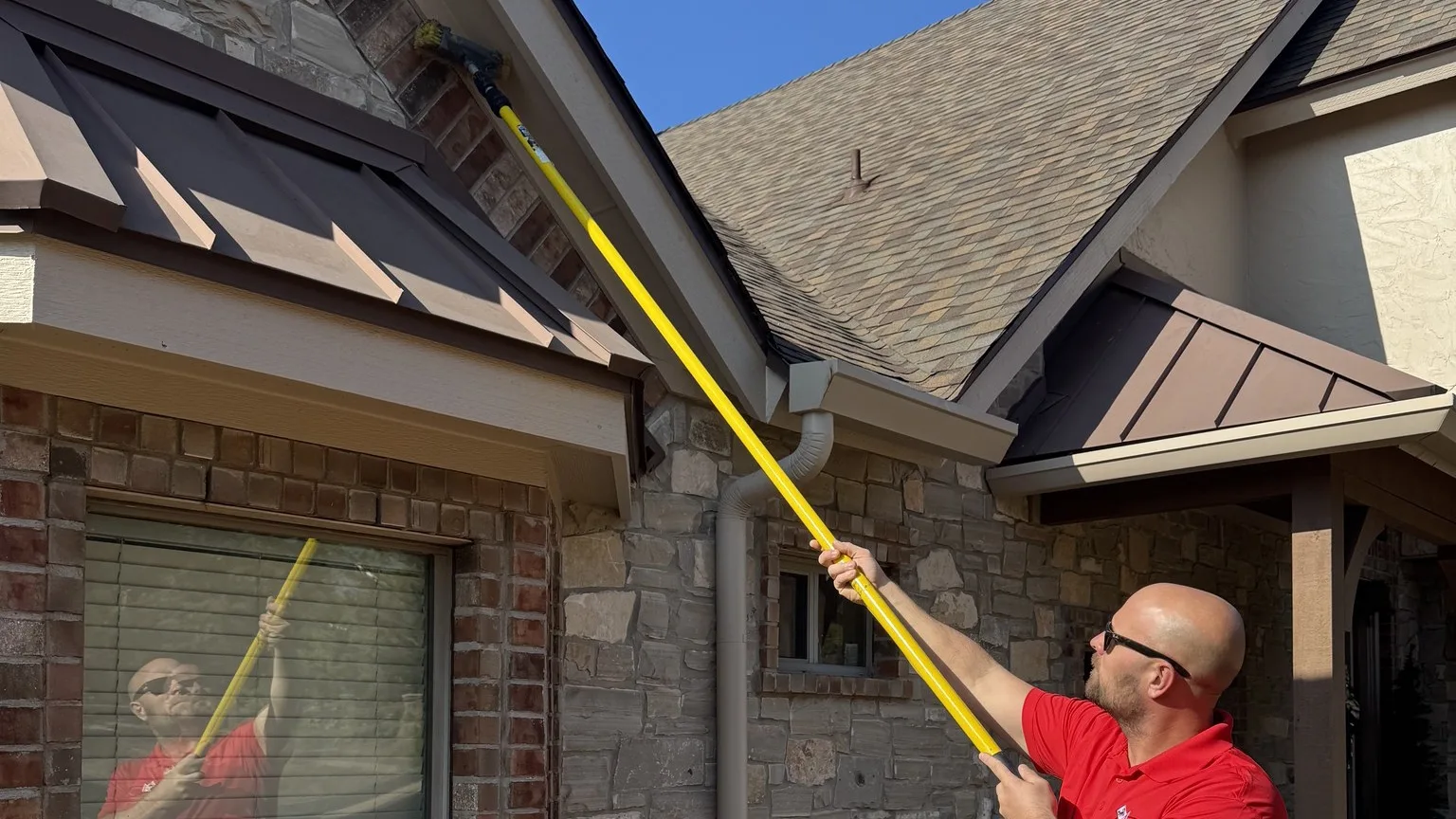
Every rodent control job starts with a free inspection. We find the nesting areas and entry points and size up the infestation before we recommend anything. Then we treat with baiting, trapping and glue boards, matched to what the inspection found.
Next we seal the cracks and crevices rats use to get inside, from ground level to the roof. That exclusion work carries a one-year warranty on the openings we seal.
Our crews handle rodent control in Austin and across Leander, Cedar Park, Georgetown and Round Rock. If the droppings you're finding are closer to 1/4 inch, you are likely dealing with mice, and our mouse control page is the place to start.
Quick answers
Yes. Roof rat, black rat and ship rat are all names for Rattus rattus.
Yes. Roof rats often nest in trees or attics and climb down to the ground to find food.
Yes. Norway rats are more at home on the ground, but they are capable climbers, so a rat in the attic could still be either species.
Texas Tech's Mammals of Texas says the Norway rat is less common than the roof rat across the southern half of Texas, which includes the Austin area. Both turn up in Central Texas homes.
More posts
Dime-sized holes, chewed wiring, and the attractants most homeowners provide without knowing it.
Read post →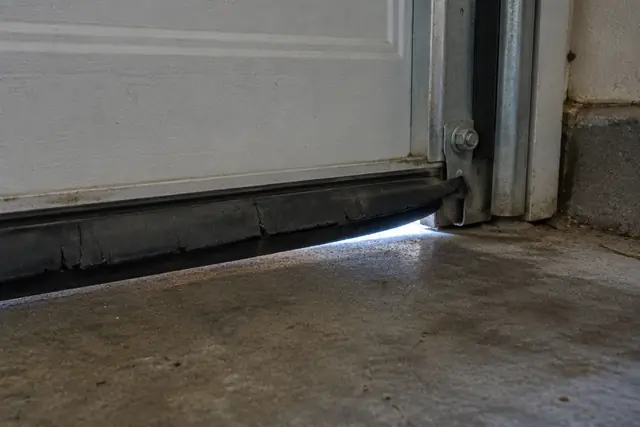
Rodents never take a season off in Austin. The signs of an infestation and the prevention steps that hold up.
Read post →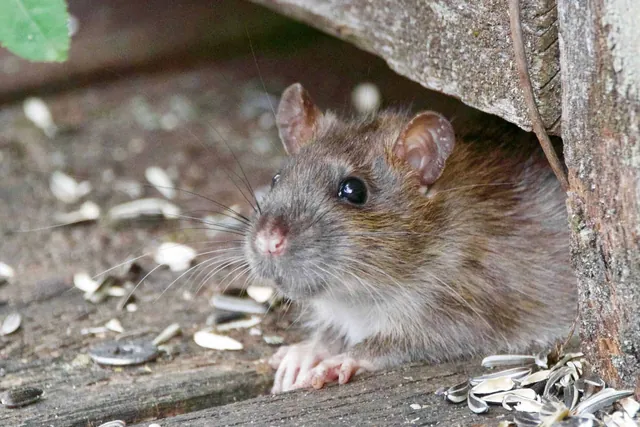
Mice slip through cracks, screens, and gaps around pipes. The entry-point fixes, cleaning habits, and yard work that keep mice out of Austin homes.
Read post →If you’re dealing with termites, rodents, or ongoing pest issues, our team is here to help. Call today to schedule an inspection or get a free estimate.